The strongest SEO work usually reduces waste, tightens the story and helps the team act on something more meaningful than surface-level uplift.
When the positioning is muddy or the journey is clunky, leisure and tourism audiences tend to drift quickly. The pages and campaigns that work best make the value feel immediate and easy to trust.
Aspiration, ease and trust matter here, along with helping people picture the experience quickly and move forward with confidence.
Keep it tied to search intent, structure and traffic that can become meaningful enquiries.
The brief almost always improves once we get specific about what SEO needs to do in practice, not just what the final output should look like.
That is usually why we look beyond isolated deliverables and think about how SEO needs to support the wider customer journey as well.
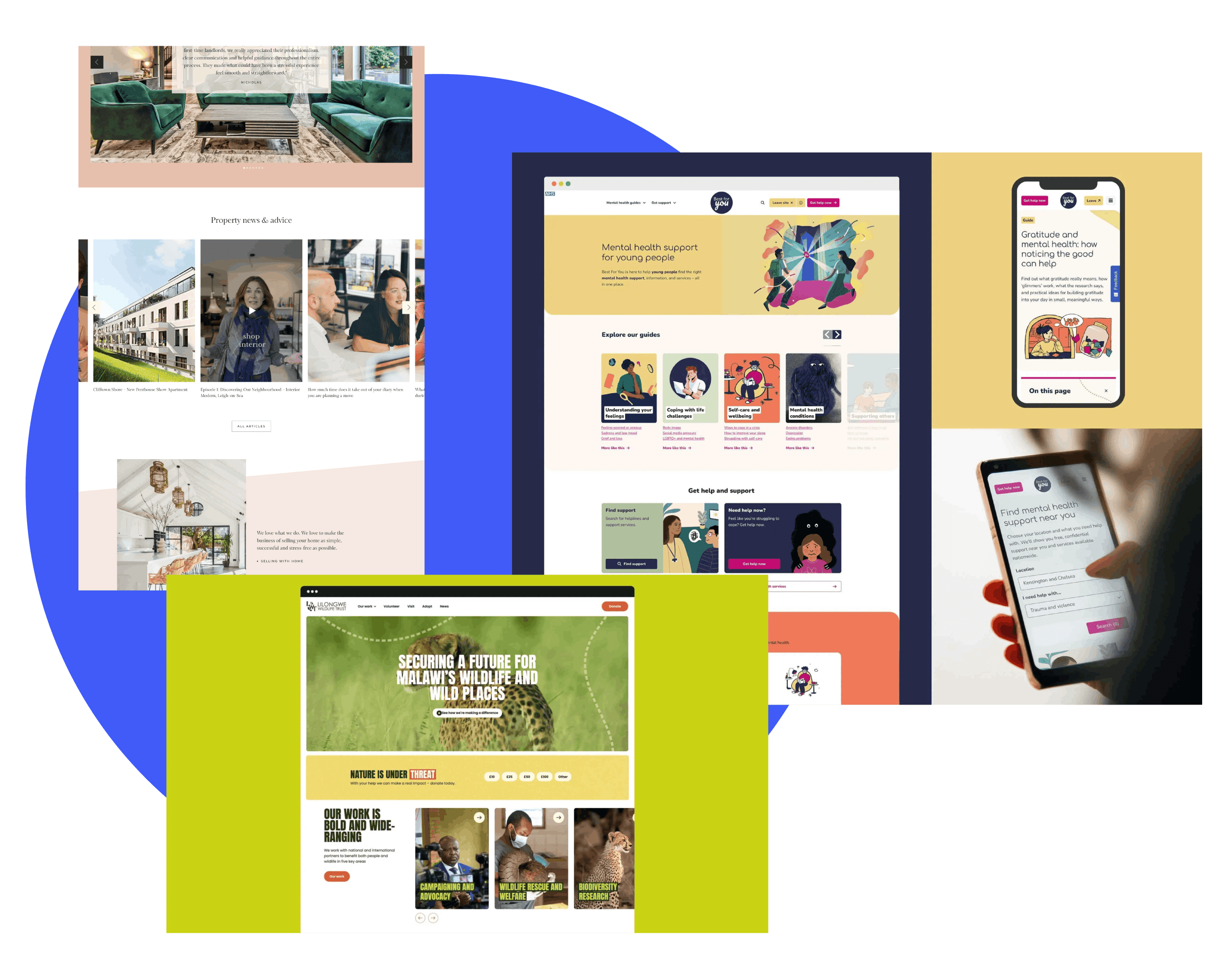
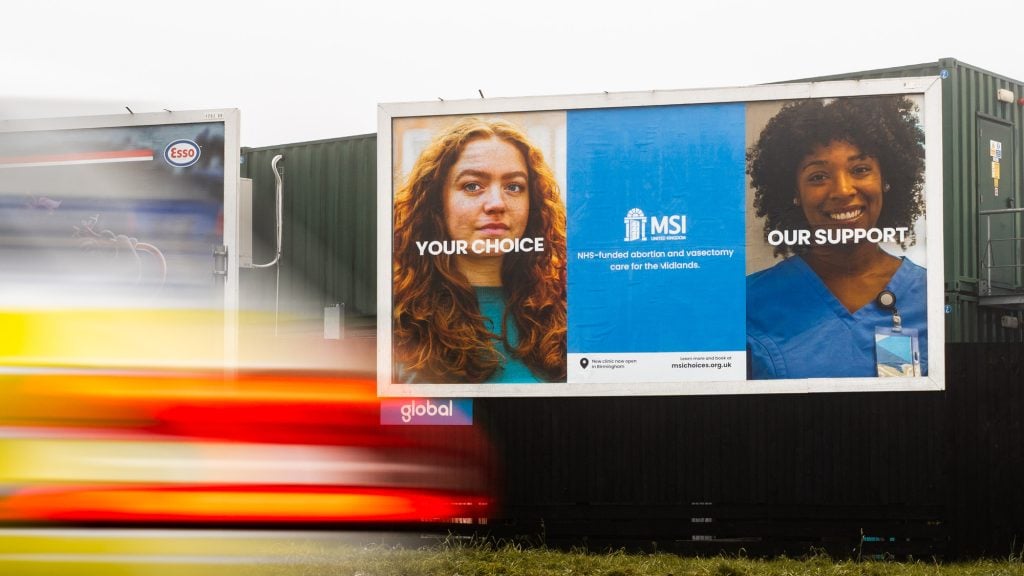
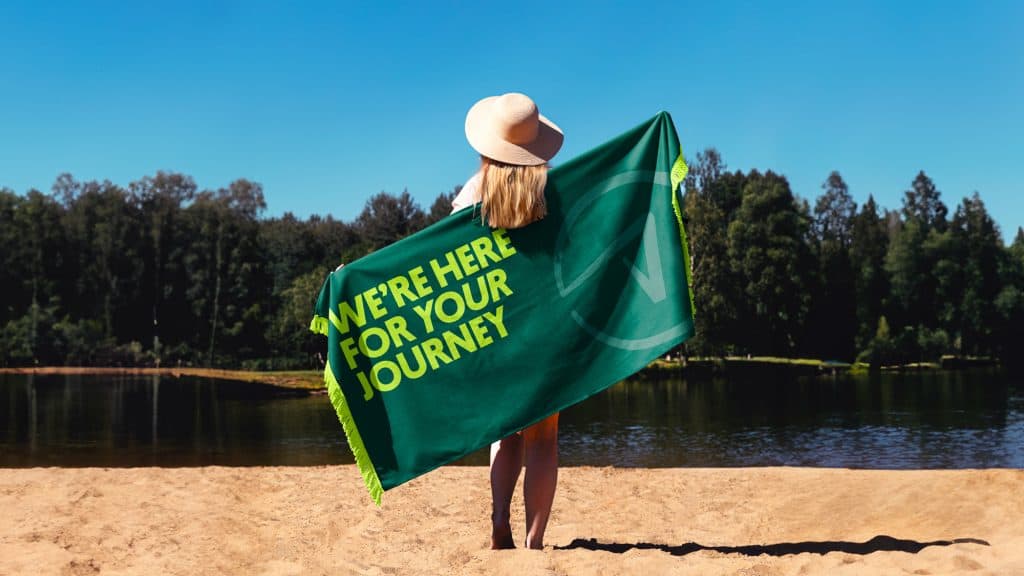
At the heart of every powerful design is a good idea. Check out our featured projects below.
That often means connecting SEO with adjacent work such as ppc, social media, so the final result feels consistent wherever people meet the brand.
When SEO is doing its job properly for leisure and tourism teams, the offer feels clearer, the experience feels smoother and more of the right people keep moving.
It normally looks like clearer intent matching, better page structure and enquiries that feel more relevant. We are less interested in vanity uplift than in whether the work makes the next decision easier.
That depends on the starting point, the market and how much support the wider site or campaign journey needs. We prefer being honest about the runway rather than pretending every page change is magic.
Often, yes. Visibility and conversion are tied together. If the page experience is weak, better rankings or better clicks alone will not do the whole job.