Good place branding should help people understand what is distinctive about you faster, and give the team something more solid to build on.
When the positioning is muddy or the journey is clunky, leisure and tourism audiences tend to drift quickly. The pages and campaigns that work best make the value feel immediate and easy to trust.
Aspiration, ease and trust matter here, along with helping people picture the experience quickly and move forward with confidence.
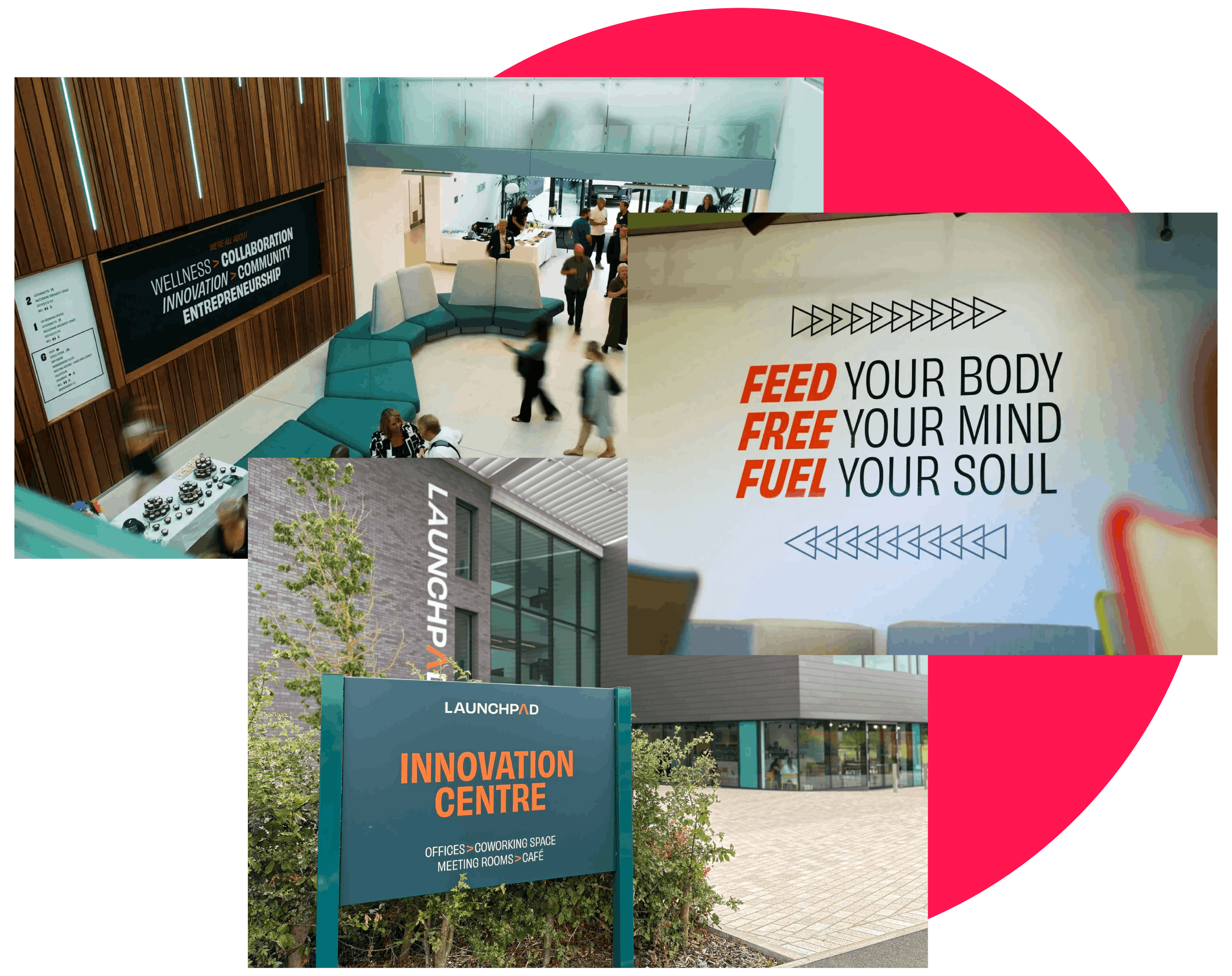
Talk about identity in the built environment, wayfinding and community signal.
The brief almost always improves once we get specific about what place branding needs to do in practice, not just what the final output should look like.
When the surrounding pieces are weak, even good place branding can struggle. We would rather be direct about that than pretend the page can solve everything on its own.
At the heart of every powerful design is a good idea. Check out our featured projects below.
The strongest projects usually happen when strategy, creative work and rollout support move together rather than arriving in separate disconnected chunks.
When place branding is doing its job properly for leisure and tourism teams, the offer feels clearer, the experience feels smoother and more of the right people keep moving.
We usually start by tightening the commercial story before we get too precious about the visuals. That means understanding the audience, pressure points and how the brand needs to behave once it is live in Braintree.
Yes. Sometimes the right move is a full reset, but quite often the better answer is to sharpen what is already there, remove the weak spots and give the team a stronger system to use.
Definitely. Brand work tends to land better when it connects with branding, logo design, animation, because customers experience the whole thing together rather than in separate neat boxes.